
Overcoming complex design challenges to deliver premium cinematic experiences
Nordisk Film Kino Saga, Oslo, Norway.
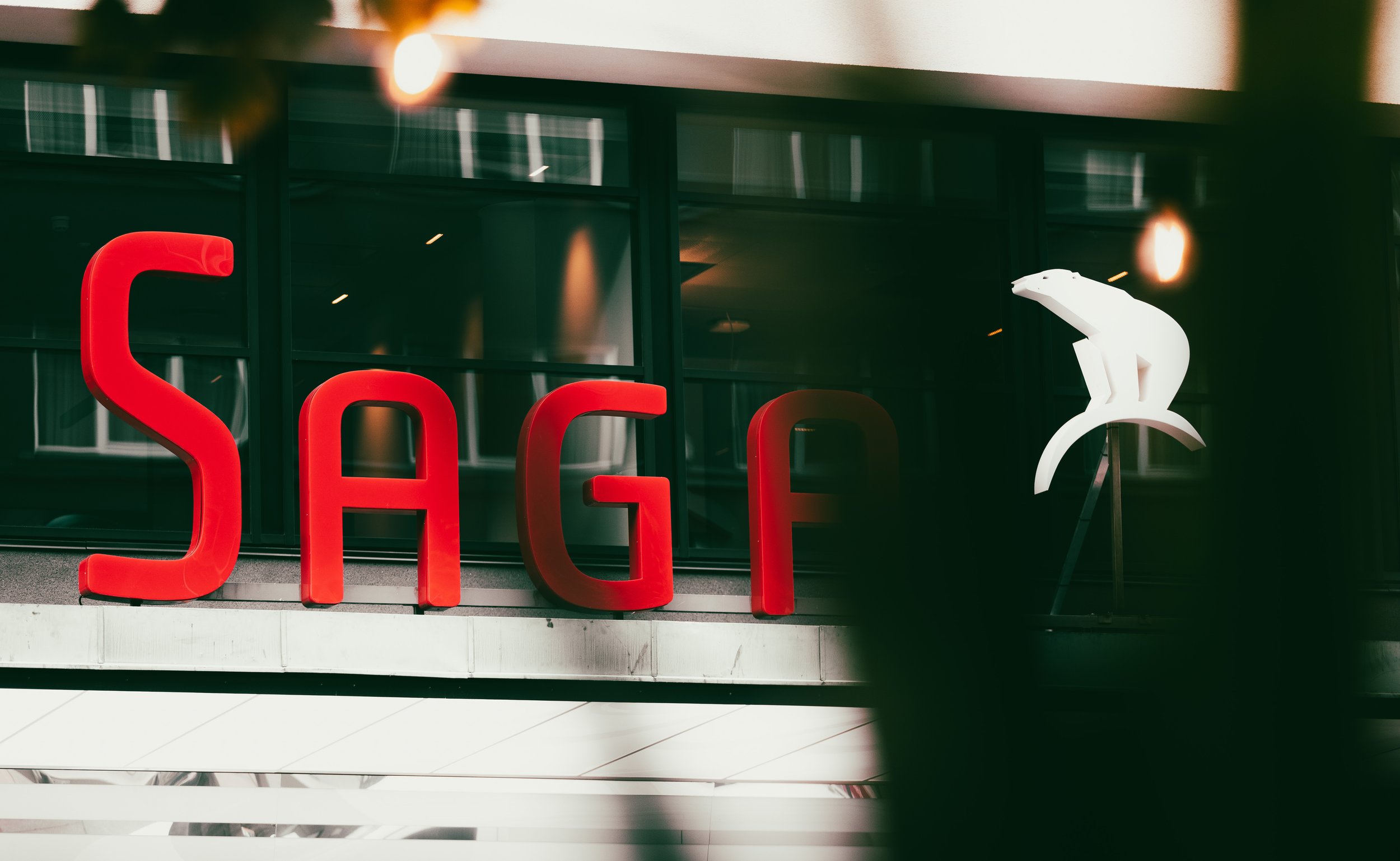
Saga Kino is a historic cinema located in central Oslo, originally opened on 15 February 1934, designed by architects Gudolf Blakstad and Herman Munthe-Kaas. It has been a cultural landmark and one of Oslo’s key family and community cinemas for more 90 years.
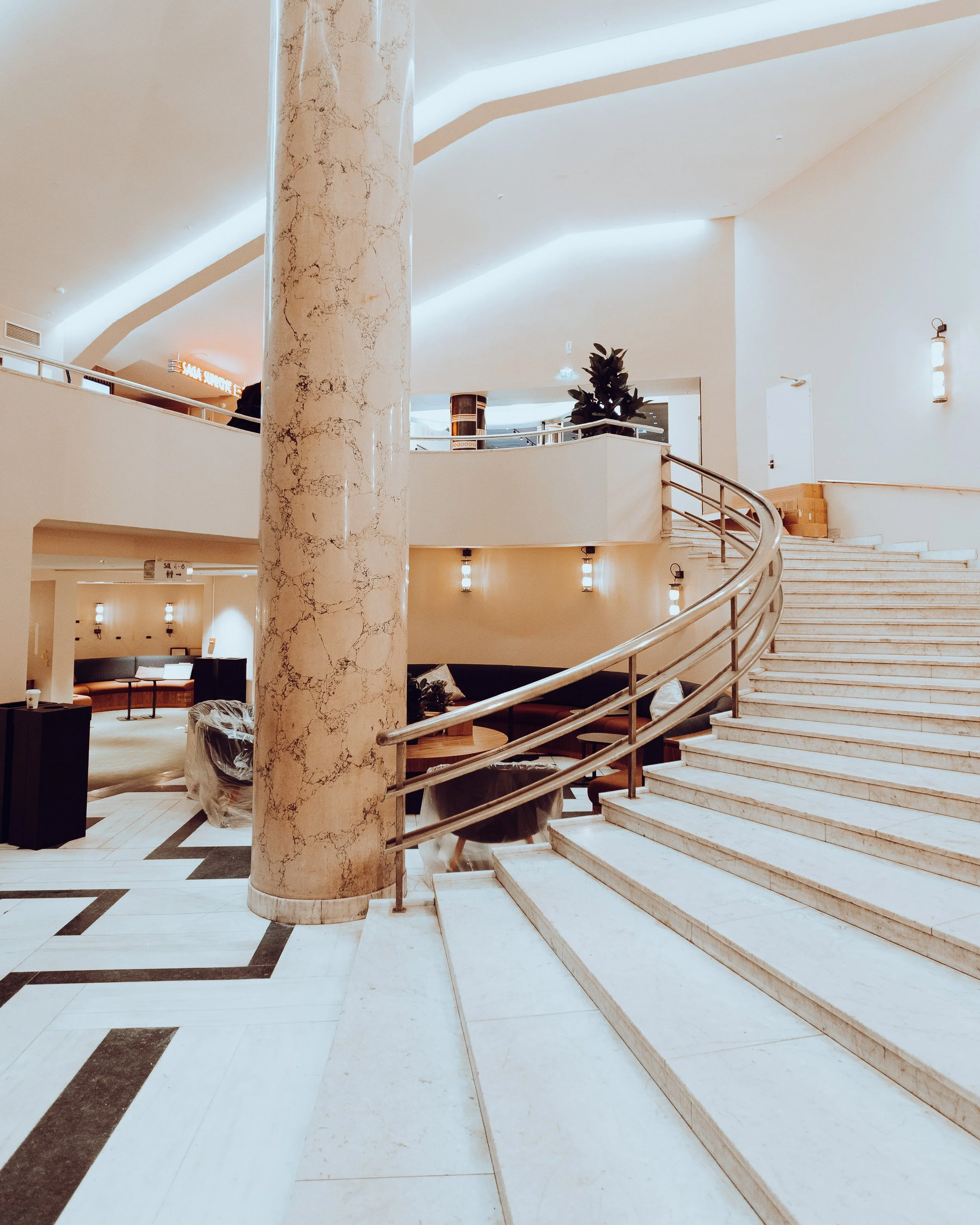
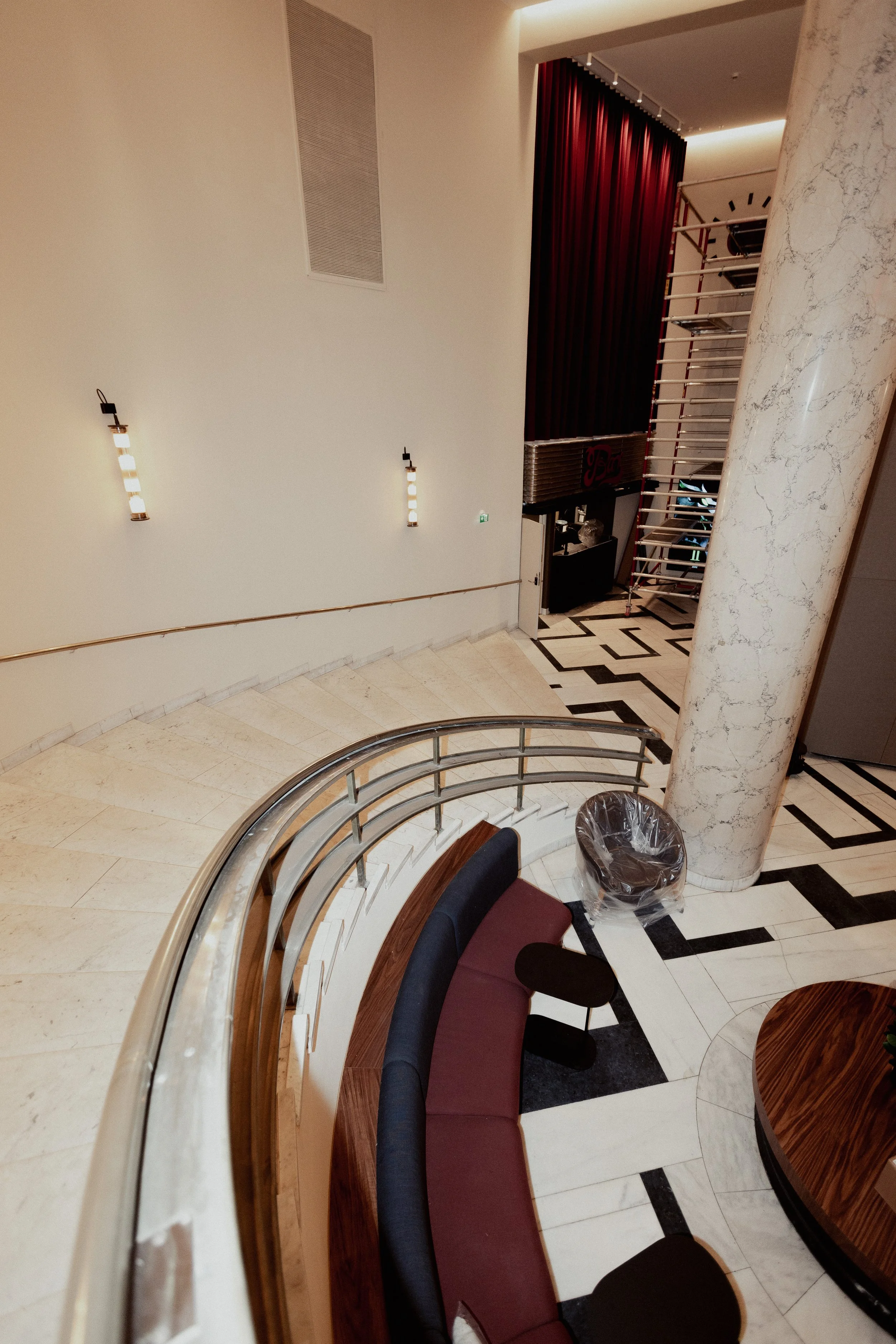
The cinema has undergone several transformations throughout its long history including a major conversion into a six-screen multiplex in 1981, the first of its kind in Norway and an interior renovation in 2007. In 2023, cinema operator Nordisk Film closed the venue in order to carry out an extensive two-year renovation project bringing this iconic cinema a new lease of life. The cinema re-opened in November 2025 showcasing, a beautiful combination of heritage architecture alongside modern retail and auditorium experiences.
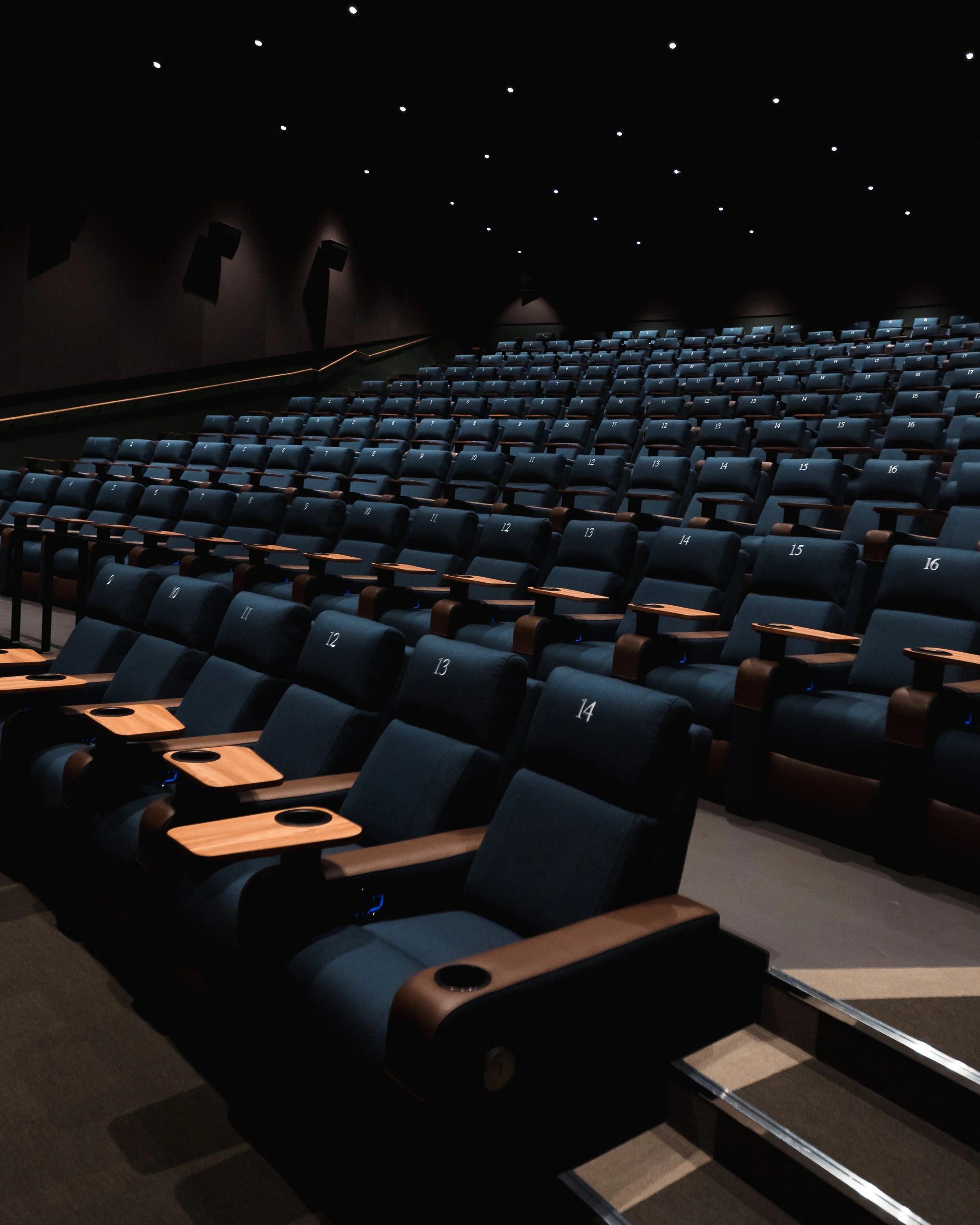
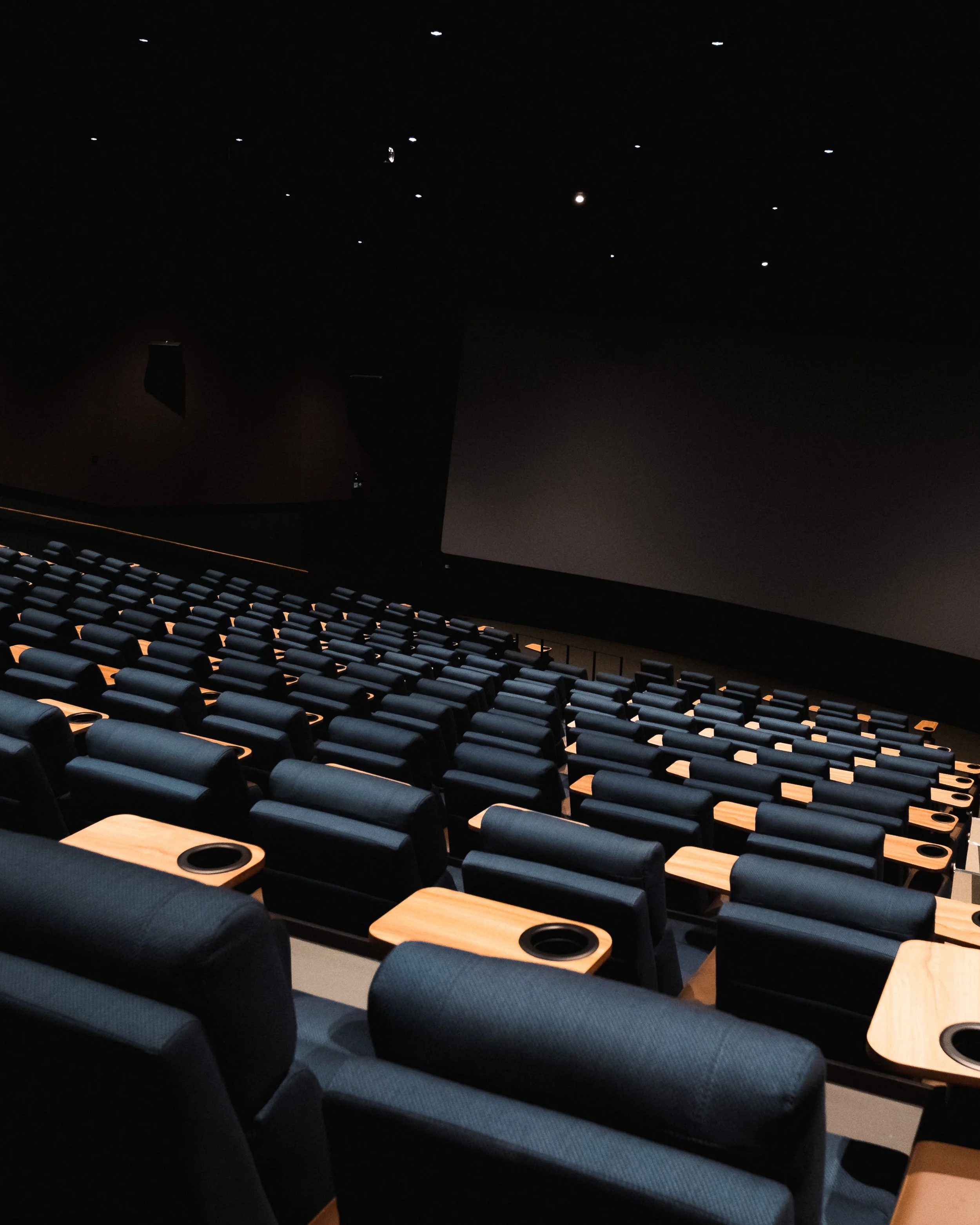
Christie RGB laser projectors with ultra-high contrast lenses, MAG Audio speakers, Powersoft amplifiers and Harkness screens provide state-of-the-art equipment to six fully refurbished auditoriums comprising 498 recliner seats. However, creating a premium viewing experience for audiences was not without a number of technical challenges presented by the legacy of the multiplex conversion in 1981. Two of the auditoriums feature high projection booths that point downward towards relatively small screens thus creating challenging conditions to manage and direct light to every seat in the house ensuring an incredible experience.
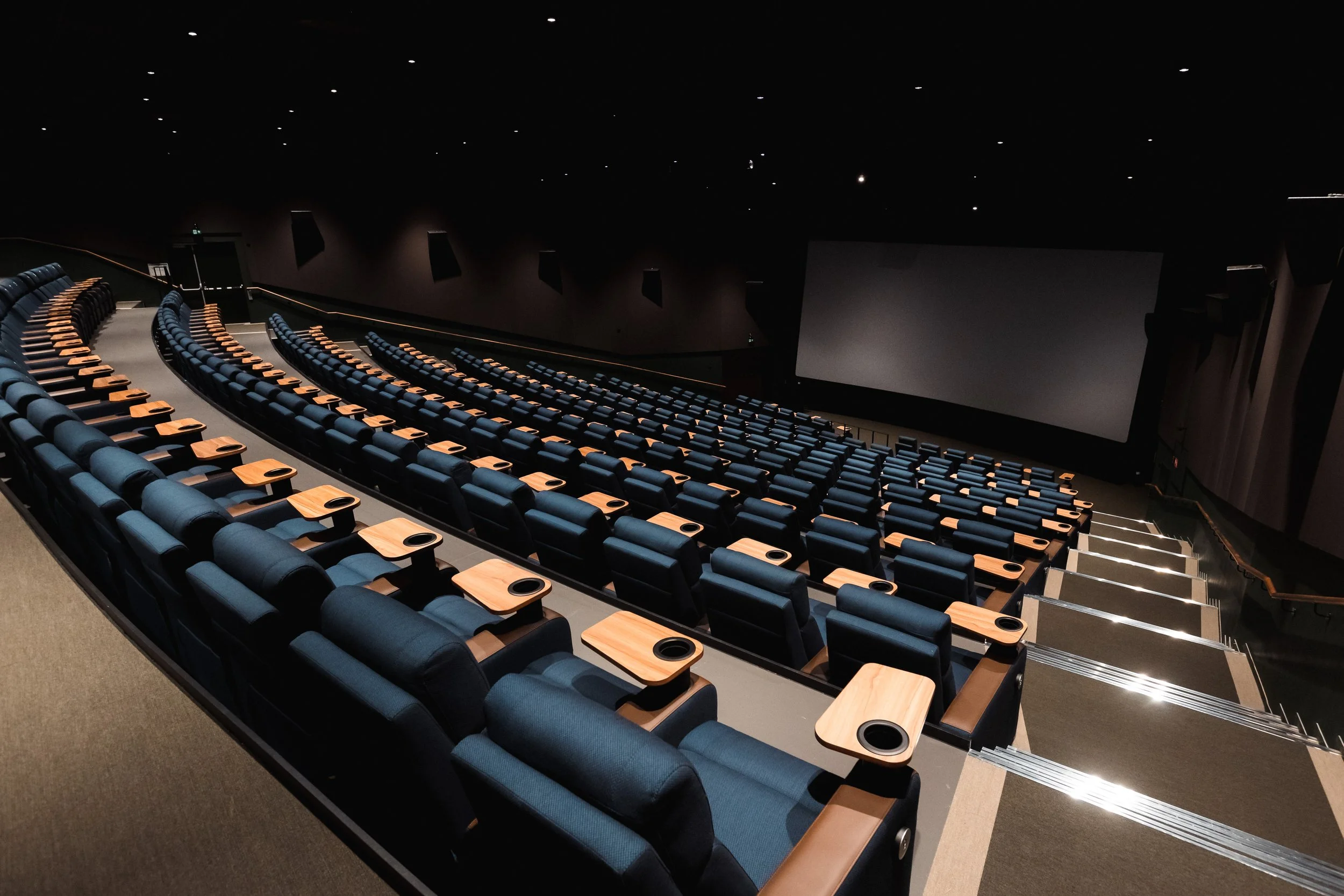
The largest auditorium (Screen 1) features 241 seats arranged in 10 curved rows with the centre of the projection window above the top of the screen (fitted to a floating frame). Whilst the software inside the Christie CP-4415-RGB projector manages the potential issue of image keystoning, Nordisk identified two further challenges that needed resolving and sought help from Harkness.
“At Nordisk, we were one of the first exhibitors in the world to fully commit to laser projection having recognised the benefits in terms of energy consumption savings and the future direction of projection technology,” explains Jan Rasmussen, Head of Screen Technology at Nordisk Films. “Whilst we’re delighted with laser projection, we remain very aware of the issues surrounding laser speckle and how this phenomenon can affect the viewing experience. Typically we have found that speckle is most visible on high gain screens, and this really became an issue with the 3D screens within our cinemas,” he adds.
Combining difficult geometry and a desire to lessen visible speckle, Nordisk sought guidance from Harkness on how best to overcome these challenges and provide a premium viewing experience to each seat.
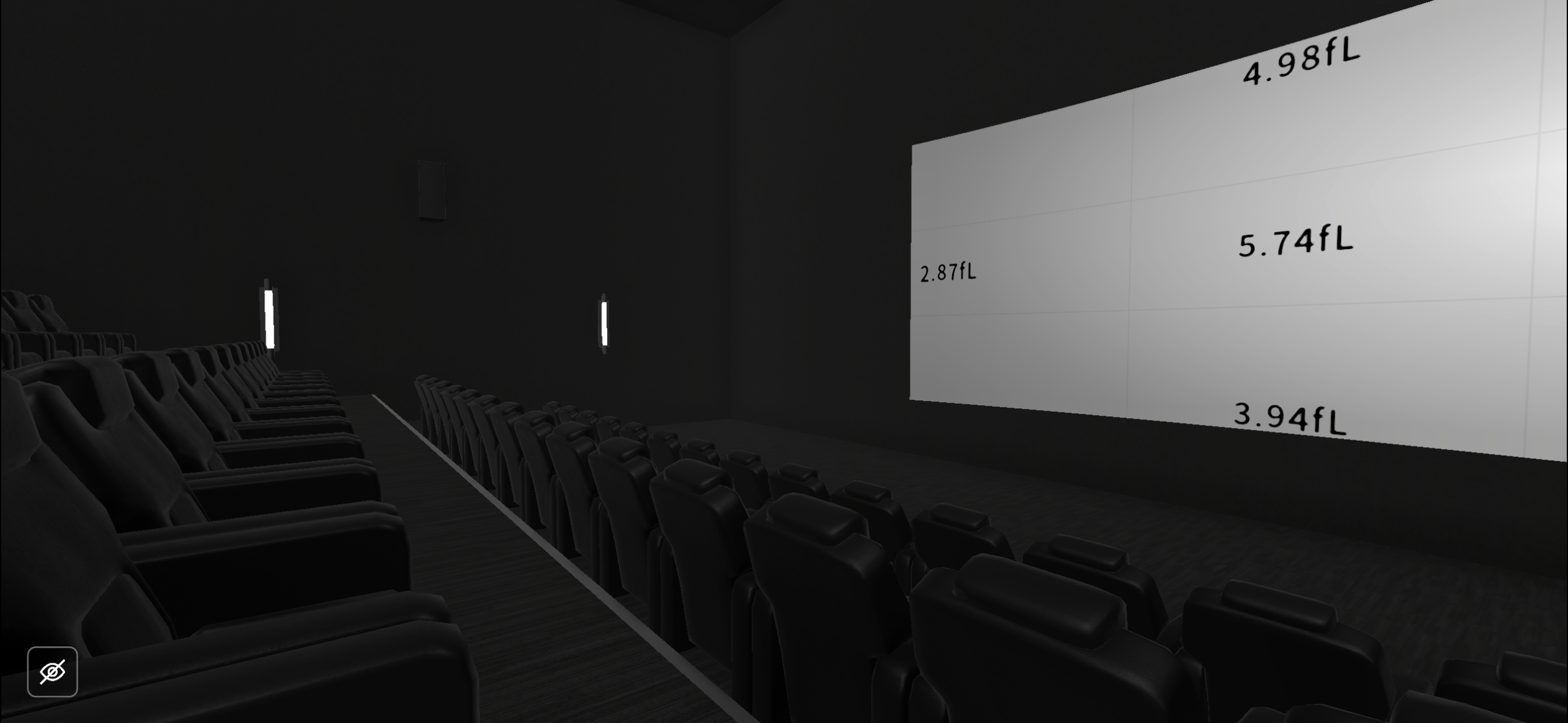
“The first step was to look at the architectural drawings and determine key parameters allowing us to then re-create these in our leading 3D modelling tools. We were then able to simulate a number of different technology options that could deliver the viewing experience Jan and his team sought for that specific auditorium, explains Richard Mitchell, SVP Innovation – Cinema, at Harkness Screens. “These various elements included sufficient 2D and 3D brightness, reduced visible hot-spotting and manageable levels of laser speckle. We also looked at how best to direct the projected light back in to the centre of the seating area given that the high projection booth meant that without intervention most of the reflected light would end up targeted at the front rows of the auditorium. After creating more than ten different scenarios featuring different screen types, we proposed a complex solution combining a Harkness Hugo SR 3D screen on a 5% curved frame with a 5 degree backward tilt. The 5% curve helped double centre-to-edge brightness uniformity (measured from the DCI-position) and the 5 degree tilt helped direct brightness back to the centre of the auditorium creating an even brightness between the top and the bottom of the screen”, he explains.
Harkness’ fifth generation screen technology Hugo SR was released in 2024 following years of research and development and input with key industry stakeholders including exhibitors, technology providers and studios. Hugo SR was designed to address the challenges and opportunities presented by laser projection and in particular RGB laser, with the screen’s key attributes being its ability to significantly reduce visible speckle by up to 30% compared to traditional high gain silver screen surfaces whilst also improving visible contrast making it ideal for the industry’s shift toward higher dynamic range.
Commenting on the screen after install, Jan Rasmussen explained that “the uniformity and sharpness of the image is really impressive given the challenging circumstances of the auditorium and there was definitely less speckle than I feared with a relatively small hotspot.”
Saga Kino re-opened its door in late November and has received large volumes of positive reviews from movie-goers with many referencing the upgrades in sound, projection and screen quality as a stand-out improvements in the cinematic experience. With a significant and sympathetic refurbishment combining historical architecture alongside state-of-the-art technology, Nordisk’s Saga Kino will continue to be one of Oslo’s most visited entertainment venues.